Workshop Descriptions
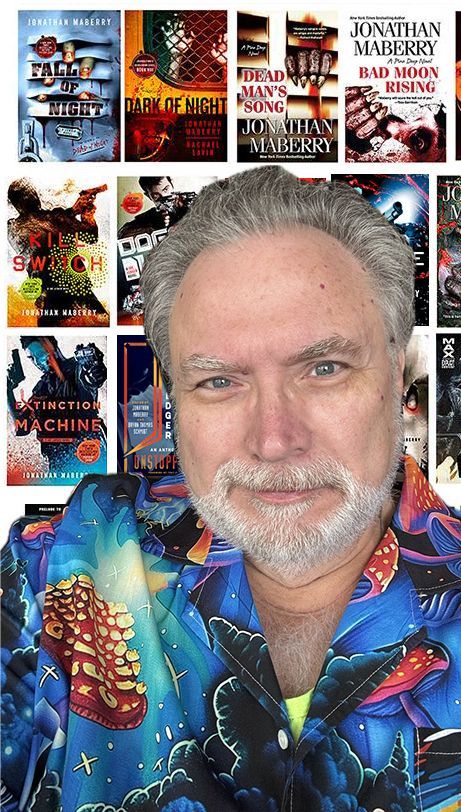
UPCOMING WORKSHOP
Join me for a BRAND NEW masterclass: THE NOVEL: FROM FIRST DRAFT TO BOOKSHELF with NY Times bestseller JONATHAN MABERRY
Saturday, September 19 - 10am - 1pm PST (1 - 4pm EST) via ZOOM
DESCRIPTION: THE NOVEL: FROM FIRST DRAFT TO BOOKSHELF: You’ve finished a first draft. Great! But…now what?
The journey from that raw draft to bookstores all over the country is filled with twists and turns. NY Times bestselling and 5-time Bram Stoker Award winning author Jonathan Maberry will be your guide in this Masterclass. This intensive program includes:
· Revision Strategies -Turning a Rough Draft into a Saleable Property
· Building your list of Possible Agents
· Pitching to Agents -Query Letters and Direct Pitches
· Business Etiquette for Writers
· Building and Branding your Writer’s Social Media Platform
· Setting up a Writing Business (Taxes, Deductions, Incorporation, and more!)
· Multiplatform Writing: Audio, eBook, eZines, and Print
· Exploring other Media to Expand your Business: Comics, Games, TV/Movies, and more
· Promoting your Work
· Building your Writers Network
· Resources for Writers
· And sooooo much more!
TO ENROLL: $50. (To enroll make a PayPal payment to jonathan_maberry@yahoo.com NOTE: If you don't have a PayPal account, email me to make other arrangements (check, etc).
*** Proceeds benefit no-kill animal shelters and meal programs for disadvantaged children.
NOTE: Please include your full name and the best email address to use in order to send the Zoom link and class information. If purchasing for someone else, indicate that and give their name and email.
An outline will be made available to all participants.
JONATHAN MABERRY is a New York Times bestselling author, 6-time Bram Stoker Award-winner and Lifetime Achievement Award recipient from the Horror Writers Association, 4-time Scribe Award winner, Inkpot Award winner, anthology editor, writing teacher, and comic book writer. He’s the author of 58 novels, over 200 short stories, hundreds of comic books, and more.
Other Workshops:
THE NOVEL: FROM IDEA TO FINISHED FIRST DRAFT
DESCRIPTION: So, you want to write a novel. You have a good idea, the storytelling urge, and lots of enthusiasm. So…then what? This 3-hour program is a crash course in the art and science of creating a saleable novel. Together we’ll explore:
· The Novel Idea
· How to develop an IDEA into a PLOT
· Coping with Imposter Syndrome
· Understanding the Scope of Work
· Structuring the Novel
· Outlines and their Variations
· Plotters vs Pantsers: and what’s a happy middle path?
· Managing the Writing/Real Life Balance
· Setting Daily Word Counts and Goals
· Setting useful and Stress-free Work Habits
· Understanding the Three-Act Storytelling Structure
· Creating a Revision Strategy While Still Writing the First Draft
· Types of Action that Drives the Narrative
· Research to give Your Novel a Strong Backbone
· Scene Creation
· Character Creation
· Point of View and Voice
· Pacing in the Novel
· Setting expectations for a First Draft
· Creating the Foundation for a Writing Career
· And so much more!
REVISION STRATEGIES FOR WRITERS!
Description: Revisions are what make a story come alive! Throughout the writing process we are required to do various KINDS of revisions –early drafts of the work; polished drafts for submission; revisions based on notes from critique groups, agents, and editors; post-sale revisions; line edits; structural edits; and proofreading. At each stage, there is important work to do, and at each stage there’s an opportunity to make your work shine brighter.
This masterclass will not only show you how to transform your work through different drafts, but also how to work with editors, interpret and apply their notes, and craft something that has the best chance of selling in today’s market.
· THE DIFFERENT KINDS OF REVISIONS
· DRAFT-BY-DRAFT REVISIONS
· THEMATIC EDITS
· TIME MANAGEMENT FOR REVISIONS
· WORKING WITH EDITOR NOTES
· EDITOR/AUTHOR ETIQUETTE
· THE TRICK OF THE ROLLING EDIT
· UNDERSTANDING CRITIQUES
· HOW TO CREATE A TRULY EFFECTIVE PEER CRITIQUE GROUP
· EDITING ON A DEADLINE
· INSIDER TRICKS FOR REVISIONS
· LEVELING UP WITH REVISIONS
· REVISION GAMES
· REVISING WITH A PARTNER
· REDUCING REVISION TIME WITH FUTURE PROJECTS
· And much more!
PLOTTING YOUR NOVEL (**Even if You Don’t Like to Plot!)
Description: The writing world is split between PLOTTERS (those who map out their novels) and PANTSERS/DISCOVERY WRITERS (those who make it up as they go). There is no wrong way to write your own book…however there are a lot of variations on how to develop your ideas into a compelling novel. This workshop is intended to clarify the many different methods of building your novel while reducing overall stress and avoiding time-devouring errors.
• The Plot: What it is and Why it Works
• Discovery Writing: Exploring the Organic Process of Writing
• Hybrid Writing: Selecting the Elements of Each Style and Making them Your Own!
• The Rolling Outline
• Chapter Plotting
• Stream of Consciousness Story Development
• The Novel Synopsis
• Understanding What Your Novel is Really About
• Time Management Techniques
• Resources for Story Development
• And much more!!
WRITING AND SELLING SHORT STORIES
Description: The short story is exploding and it’s a market constantly hungry for new talent and new voices! Short fiction is a great way to build your writing career and increase your professional income, it can also help you stretch as a writer. Short stories offer more creative opportunities than any other form of writing.
We’ll discuss:
• The short story structure (and its many variations)
• Building compelling characters
• Knowing where to start (and how to end with a punch!)
• Strategies for great dialogue
• Developing a compelling opening hook
• Research for short fiction
• Finding Markets (including places you’d never think to look!)
• Writing for Magazines, Anthologies, Collections, and more
• How Short Story writing can help you write a better novel!
• Short Stories as your ticket to Hollywood!
• Strategies for finding paying markets
• And much more!
THE PEOPLE IN OUR HEADS: CREATING COMPELLING CHARACTERS IN FICTION
Description: Great fiction is all about the people. The characters. Every good story isn’t about the big events, the threats, the monsters or bad guys or crisis. Good stories are about the characters. They drive the narrative, they engage the reader, and they are why we read! NY Times bestseller Jonathan Maberry –author of 40-plus novels, two dozen graphic novels, and over 130 short stories will share tips, insights, craft elements, and trade secrets about how to create and craft realistic ‘people’ for your writing. This lively discussion unlocks the process of taking a necessary group of characters and transforming them into individuals who drive the narrative, deepen the emotional impact, and make each story truly memorable.
We’ll cover:
• Using real people as templates for your characters
• Merging traits to create unique and interesting main and supportive characters
• Personalities for Protagonist and Antagonist
• Personality types as they relate to your story
• Character arcs
• Unique character voices
• Motivation that really drive your characters
• Physical details for unique characters
• “Interviewing” your characters to better understand them
• Empathy and Sympathy with your characters
• Character Development Games (solo and for writers groups)
• And much more!
CHOREOGRAPHIC ACTION SCENES
Description: This brand new program digs deep into the specifics of how to visualize and choreograph fight and action scenes –whether it’s your protagonist against a gang of thugs, a vampire hunter confronting a toothsome monster, a nail-biter of a car chase, or a fleet battle in deep space. Join NY Times bestselling author Jonathan Maberry for a fun (and likely weird) workshop on how to draft believable and riveting fight and action scenes that will make your story come to thrilling life! Included in this program:
- The Needs of Action Scenes
- Types of Action Scenes
- Action in Different Genres and Sub-Genres
- Mapping out the Needs of the Scene
- Creating Believable Combatants on Both Sides
- Threat Assessment and Evaluation
- Skills –From Ordinary to Superhuman
- Research for Fight and Action Scenes
- Myths and Misconceptions About Fighting
- Understanding Street Fighting
- Choreographing a Realistic and Effective Fight Scene
- Fights Scenes for Impossible Worlds (Vampires, Dragons, and Ghouls, oh my!)
- Armed and Unarmed Combat
- Building Tension in Action Scenes
- The Moral, Legal and Psychological Consequences of Self-Defense
- Avoiding Cliché in Fight Scenes
- And much, much more!
WRITING A SERIES
Description: Series are hot and have always been hot. Whether trilogies, self-contained series, or ongoing series, these types of books engage readers on a deep level –-through character bonding and intriguing through-lines. Publishers love series too! This workshop peels back the layers to show how to create and build a popular series, how to cultivate characters capable of carrying a series, research for series writers, as well as how to pitch and sell them.
Included in the program:
- The Series Concept and how to develop it
- Trilogies and Self-Contained Series
- Ongoing and Open-ended Series
- Short Story Series
- Character Arcs within each book and parsed throughout a series
- Keeping Your Series Fresh!
- Spinoff Series
- Licensed Series (writing in someone else’s worlds, like CSI, Star Trek, etc)
- Plotting and Planning the Series
- Research to give your story a solid backbone
- Pitching a Series
- Cross-Platform Series that includes novels, comics, short fiction, and more
- Collaborating on a Series
- And much more!
WRITING & SELLING HORROR
Description: Scary is back and even the big publishing houses are gobbling up novels for the mainstream audience. Horror anthologies bring new stories to hungry readers. Horror comics sell big. And even horror poetry has a growing audience. Telling spooky tales –in fiction or nonfiction—is big business, and that market is growing. This masterclass covers a lot of ground, from research, to writing, to finding markets to sell your spooky tales.
Included in the program:
· What is Horror? (And Why do We Love to be Scared!?)
· Terror vs Horror
· Cultivating Suspense
· Pacing and Tone for Horror
· Building the Perfect Beast: Crafting an Eerily Credible Monster
· Research for Horror Fiction –from Folklore to Science
· The Psychology of Fear
· Character Creation for Horror
· Setting and Place; Crafting and Sustaining Fear
· Subgenres of Horror
· Finding Markets for your Horror Fiction
· How to Talk about Horror with the Public; and more.
WRITING SUCCESS 101
Description: In this challenging economy it’s tough to build a career by being a one-trick pony. Writers who want to build a thriving and lucrative career look for all kinds of creative outlets and forms that pay. Novels, short stories of all kinds, essays, magazine features, greeting cards, game writing, comic books, tie-in fiction, poetry, freelance editing, and more are doors just waiting for writers to open. NY Times bestseller Jonathan Maberry (author of 55 novels, 200 short stories, 30 graphic novels, 28 nonfiction books, 1200 feature articles, as well as poetry, plays, and more) will take you through the steps to build a bigger and stronger writing business that can shift with economic changes. The moneymaking writer is one who is open to taking creative risks and grow the kind of skill set that opens all those doors! Start the new year like a pro!
We’ll discuss:
- Understanding your skill set
- Building your skill set
- Understanding the Business of Publishing
- Cross-Platform Publishing
- The Novel Market and how to Crack it!
- Short stories, Novelettes, and Novellas -what to write and where to sell it
- The Nonfiction Book Market- How to develop and pitch nonfiction
- The Magazine Market- Idea development, pitching, and selling to multiple markets
- The Poetry Market- adding a bit of magic to your writing
- Game Writing- The ABCs of what you need to know
- Media Tie-in- Writing and selling to licensed markets
- Comic Books and Graphic Novels—selling in today’s market
PITCH & SELL NOVELS, COMICS, SHORT STORIES, AND MORE!
Description: The publishing world changes constantly, and writers who want to make sales and make $$ need to change with it. Luckily, that process can be fun and very rewarding!
This newly updated masterclass - PITCH & SELL NOVELS, COMICS, SHORT STORIES, AND MORE!—will show you how to prep and pitch any kind of writing, and how to start racking up the sales that will bring in cash and build your career.
We’ll cover a lot of ground, including:
- THE QUERY LETTER: new forms and strategies
- THE VERBAL PITCH: how to make a face-to-face pitch fun and successful
- SELLING SHORT STORIES: Finding and pitching to magazine and anthology markets
- SELLING COMICS: How to prep a pitch, where to find editors, and what materials you need
- TALKING POINTS: How to identify those story elements that make a pitch come alive
- HOLLYWOOD PITCHES: Everything from how to craft a presentation/pitch deck to finding a book-to-film agent.
- THE MARKET: How and where to learn about the changes in the market and newly opened doors!
- CHANGES in the publishing landscape and how to work with (rather than against) them.
- PITCHING TIPS AND GAMES: How you and your writer friends can have fun preparing to meet agents and editors
- And much more!
Heroes and Villains: Building Complex and Compelling Characters
Description: Great fiction is all about the people. The characters, and particularly the antagonist and protagonist. The best stories aren’t about the big events or crisis. Good stories are about the characters. They are about the ‘people’ in your story. They drive the narrative, engage the reader, and make any story come alive!
I’ll share tips, insights, craft elements, and trade secrets about how to create and craft realistic Main Characters and Supporting Characters for your writing. This lively discussion unlocks the process of taking a necessary group of characters and transforming them into individuals who drive the narrative, deepen the emotional impact, and make each story truly memorable. We’ll cover:
- What makes a Villain –from deep backstory to the bleeding edge of crisis?
- How does a Hero earn the right to stand up to your villain?
- How to use real people as templates for your characters
- Merging traits to create unique and interesting main and supportive characters
- Personalities for Protagonist and Antagonist
- Personality types as they relate to your story
- Character arcs
- Unique character voices
- Motivation that really drive your characters
- Physical details for unique characters
- “Interviewing” your characters to better understand them
- Empathy and Sympathy with your characters
- And much more!
HOW TO MAKE MONEY AS A WRITER
Description: There’s a lot more to being a successful writer than being good at the craft. Publishing is a business and to succeed you need to know how the business works. In HOW TO MAKE MONEY AS A WRITER we’ll discuss:
- Work Habits for Writers
- Time Management
- Setting and Accomplishing Realistic Goals
- Developing Marketable Ideas
- Understanding the ABCs of Publishing
- Social Media Branding for Writers
- Finding new Markets for Your Work
- Finding a Literary Agent
- Working with Literary Agents
- Working with Book-to-Film Agents
- Business Etiquette
- Taking Meetings
- Growing Your Business
- Incorporation
- Contracts
- Managing Deadlines
- Royalties, and much more!
STORY DEVELOPMENT AND SCENE CREATION
Description: To build a compelling story—whether a novel, short story, or comic book—scenes are the unsung heroes. There are so many ways to take an idea and flesh it out to construct scenes that drive the narrative, build compelling and three-dimensional characters, tell a more complete story, influence and moderate pace, world build, weave multiple storylines, allow for sharing information with the reader without info dumps, raise the overall quality of storytelling, and much, much more.
This masterclass explores the art and craft of developing ideas into rich stories, and how to create scenes—powerful moments—within the story that really sell your narrative and engage readers.
Topics covered include:
- The Journey from Idea to Storyline
- The Hidden Purpose of Your Scenes
- Shifting POV to Tell a Richer Story
- Complexity vs Confusion –How to Get it Right
- Character Moments
- Incidental Characters
- Single Step-away Scenes that Highlight Key Emotional Moments
- Developing Character in Unique Scenes
- Experimenting with Voice
- Tone and Style
- Subtle Uses of Figurative and Descriptive Language
- Unexpected Narrative Shifts to Raise the Stakes
- Deep Character Point of View
- And much more!
WRITING IN OTHER PEOPLE’S WORLDS: Writing and Selling Media Tie-in Fiction
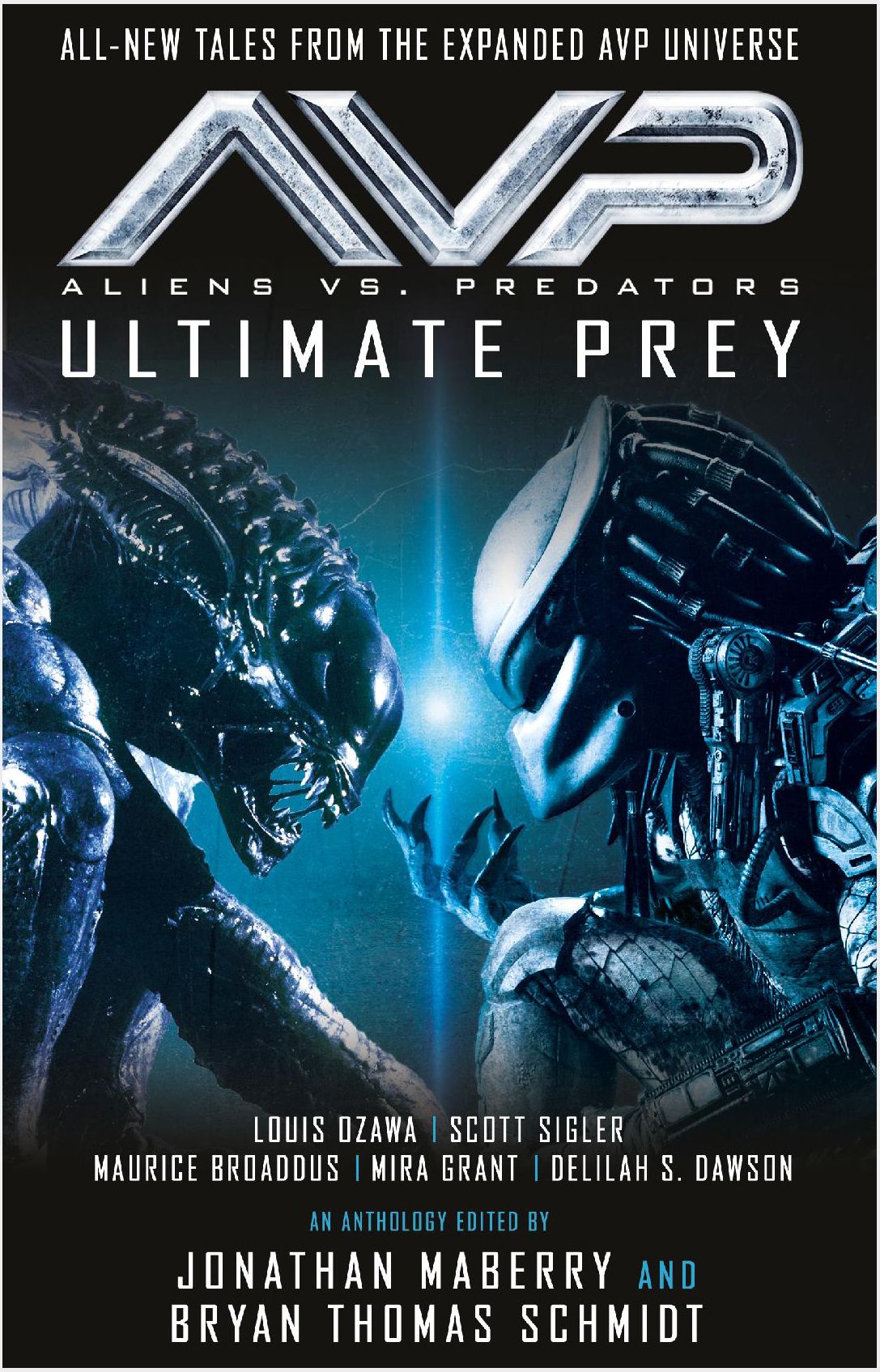
Description: A lot of top writers made their bones writing novels, comics, and short stories set in worlds they did not create. Licensed worlds like Aliens, Predator, Dune, Star Wars, Assassins Creed, Star Trek, The Avengers, CSI and many others offer open doors for both established and new writers. NY Times bestseller and president of the International Association of Media Tie-in Writers, Jonathan Maberry, is your tour-guide to understand this part of the publishing world and all of its many opportunities.
Topics covered include:
• The World of Tie-in Writing and Licensing
• The Novelization and How it Works
• Original Works in Other Worlds
• Short and Long Tie-in Fiction
• Media Tie-in Anthologies
• Media Tie-in Nonfiction
• Comics
• Working with Established License-holders
• Expired Licenses and Why They Can be Career Gold
• Media Tie-in and Comics
• Getting Involved
• Making the Fiction Your Own (while Respecting the License)
• The Edit Process
• Finding Helpful Experts in Key Licenses
• Taking Creative Risks
• Emerging Licenses
• Finding Markets
• And much more!
Writing Fight and Action Scenes
Description: Well-written fights and chase and action scenes can turn a book into a red-hot page-turner…but they have to be done right. Join NY Times bestselling author Jonathan Maberry for a no-holds-barred workshop on how to write believable and riveting fight and action scenes. Included in this program:
- The Difference Between Martial Arts and Self-Defense
- Myths and Misconceptions About Fighting
- Types of Martial Arts
- Understanding Street Fighting
- Choreographing a Realistic and Effective Fight Scene
- Fights Scenes for Impossible Worlds (Vampires, Dragons, and Ghouls, oh my!)
- Fight Scene Choreography Games for Writers and Writer Groups
- Approaching Experts
- Armed and Unarmed Combat
- Building Tension in Action Scenes
- The Moral, Legal and Psychological Consequences of Self-Defense
- Avoiding Cliché in Fight Scenes
- And much, much more!
BESTSELLING PACING
Description: Novels can be short or long—and in some genres very long—but they should always move along at a brisk yet compelling pace. NY Times bestseller Jonathan Maberry, author of over fifty novels in multiple genres, is your tour-guide for a journey through the art and science of PACING. Topics covered include:
• Genre-Specific Pacing, Plot & Subplot Pacing
• Plotting vs Pantsing
• Building a Story Chronology, Plotting for Rhythm
• Narrative Hooks
• Action Set Pieces
• Variable Length (chapter, paragraph, and sentence)
• Research that Drives your Narrative
• Crafting Scenes that Move the Story Along
• Building Compelling and Useful Characters
• Dialogue and Pacing
• Foreshadowing
• Plot Complexity
• Overlapping Storylines
• The Importance of Supporting Characters
• Pacing in a Single Character POV and Ensemble
• Shifting POV
• Parsing Info Instead of Dumping
• Varying Forms of Dialogue
• Building a Story Chronology
• And much more!
BUILDING A BETTER MONSTER: Writing and Selling Original Horror Fiction
Description: We’ve seen just about every version of vampires, werewolves, zombies and ghosts, right? Actually…no. The versions of monsters so often used in movie, TV and novels are the ‘Hollywood' versions. Sanitized, romanticized, and—after all these years—not that scary anymore. To really frighten today’s jaded readers the trick is to go old school. There are thousands of monsters in myth, legend, and folklore that would scare Dracula and send the Wolfman running with tail between his legs!
In this workshop, we’ll discuss:
· Monsters we haven’t seen before
· Variations on Popular Monsters
· Standing out from the horror crowd with unique stories and themes
· Research for horror writers
· Finding experts
· Resources for writing new kinds of horror
· Taking and reshaping popular tropes
· Setting expectations in horror
· Using folklore in science fiction and fantasy
· The New Suspense—messing with reader expectations to create a richer experience
· Finding markets for monster-driven horror fiction
· Monsters in books, short fiction, nonfiction, comics, and movies
· Having fun while scare the heck out of the reader
· Using your own fears as a guide to tell compelling and salable horror fiction
· And much more!
THE NOVEL: FROM FIRST DRAFT TO BOOKSHELF!
DESCRIPTION: You’ve finished a first draft. Great! But…now what?
The journey from that raw draft to bookstores all over the country is filled with twists and turns. NY Times bestselling and 5-time Bram Stoker Award winning author Jonathan Maberry will be your guide in this Masterclass. This intensive program includes:
• Beta readers and Freelance Editors
• Revision Strategies -Turning a Rough Draft into a Saleable Property
• Building your list of Possible Agents
• Pros and Cons of Peer Critique Groups (and how to make them awesome!)
• Pitching to Agents -Query Letters and Direct Pitches
• Business Etiquette for Writers
• Building and Branding your Writer’s Social Media Platform
• Setting up a Writing Business (Taxes, Deductions, Incorporation, and more!)
• Multiplatform Writing: Audio, eBook, eZines, and Print
• Exploring other Media to Expand your Business: Comics, Games, TV/Movies, and more
• Promoting your Work
• Building your Writers Network
• Resources for Writers
• And sooooo much more!
REVISION STRATEGIES FOR WRITERS
Description: revisions are what make a story come alive! Throughout the writing process we are required to do various KINDS of revisions –early drafts of the work; polished drafts for submission; revisions based on notes from critique groups, agents, and editors; post-sale revisions; line edits; structural edits; and proofreading. At each stage, there is important work to do, and at each stage there’s an opportunity to make your work shine brighter.
This new masterclass - REVISION STRATEGIES FOR WRITERS!—will show you how to transform your work through different drafts, but also how to work with editors, interpret and apply their notes, and craft something that has the best chance of selling in today’s market.
We’ll cover a lot of ground, including:
• THE DIFFERENT KINDS OF REVISIONS
• DRAFT-BY-DRAFT REVISIONS
• THEMATIC EDITS
• TIME MANAGEMENT FOR REVISIONS
• WORKING WITH EDITOR NOTES
• EDITOR/AUTHOR ETIQUETTE
• THE TRICK OF THE ROLLING EDIT
• UNDERSTANDING CRITIQUES
• HOW TO CREATE A TRULY EFFECTIVE PEER CRITIQUE GROUP
• EDITING ON A DEADLINE
• INSIDER TRICKS FOR REVISIONS
• LEVELING UP WITH REVISIONS
• REVISION GAMES
• REVISING WITH A PARTNER
• REDUCING REVISION TIME WITH FUTURE PROJECTS
• And much more!
WRITING AND SELLING COMIC BOOKS
Description: Nothing is hotter than movies and TV shows based on comics. The comics industry is constantly changing, growing, developing new markets and forms. We live in an age of print, digital, webcomics, comics formatted for phones, comic-book tie-ins to video and board games, and much more. And there are a lot of movies and shows most people don’t know were based on comics –300, V for Vendetta, Ghost World, Road to Perdition, From Hell, The Crow, A History of Violence, Men in Black, Snowpiercer, Persepolis…not to mention all of the superhero stuff, ranging from Doom Patrol, to The Boys, Umbrella Academy, the Marvel and DC Cinematic universes, and so much more.
This masterclass discusses:
- The evolution of graphic storytelling
- Visual storytelling
- Pitching
- Story Development and Beat Sheets
- Scripting
- Panel Layout and Art Direction
- Working with Editors
- Working with the Art Team
- Pace and Tone
- Character development
- Short and long form storytelling
- Etiquette of the comics industry
- Finding markets
- New Formats and Markets
- What to expect in the business
- And more!
BESTSELLING PACING
DESCRIPTION: Novels can be short or long—and in some genres very long—but they should all move along at a brisk yet compelling pace. NY Times bestseller Jonathan Maberry, author of over forty novels in multiple genres, is your tour guide for a journey through the art and science of PACING.
Topics covered include:
- Genre-Specific Pacing
- Plot & Subplot Pacing
- Plotting vs Pantsing
- Building a Story Chronology,
- Plotting for Rhythm
- Narrative Hooks
- Action Set Pieces
- Variable Length (chapter, paragraph, and sentence)
- Research that Drives your Narrative
- Crafting Scenes that Move the Story Along
- Building Compelling and Useful Characters
- Dialogue and Pacing
- Foreshadowing
- Plot Complexity
- Overlapping Storylines
- The Importance of Supporting Characters
- Pacing in a Single Character POV and Ensemble
- Shifting POV, Parsing Info Instead of Dumping
- Varying Forms of Dialogue
- Building a Story Chronology
- and much more!
Book Signings
Speaking Engagements